Toxic Smoke Alert: Geelong Residents Face Health Warnings From Industrial Fire
The sky over Geelong's north has recently been marred by ominous plumes of thick, toxic smoke, prompting urgent health warnings and immediate evacuation orders for residents. A significant geelong industrial fire, originating from a car wreckage yard, rapidly escalated, threatening not only property but also the health and safety of surrounding communities. This incident, marked by dramatic explosions and a massive emergency response, underscores the critical importance of industrial safety and community preparedness in urban areas.
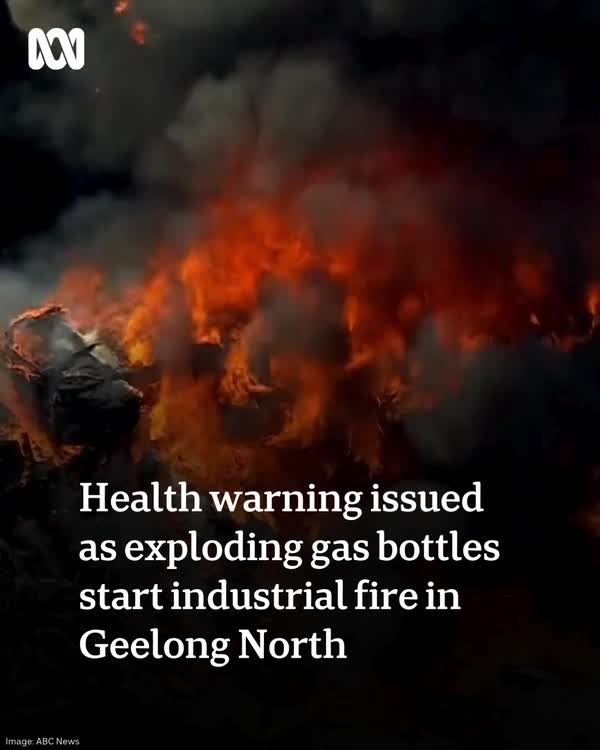
Calls to Triple Zero (000) around 3:30 PM reported a car fire, followed by alarming explosions and colossal smoke plumes. The source was quickly identified as a business on the corner of Thompson Road and Armstrong Street, where multiple gas bottles ignited, fueling a ferocious blaze. Aerial footage revealed the devastating scene: what appeared to be vast piles of tyres and wrecked vehicles engulfed in flames, spewing hazardous fumes into the atmosphere. Firefighting crews were swiftly deployed, battling the inferno from the perimeter while authorities issued dire warnings to the public.
The Fiery Outbreak: Anatomy of the Geelong Industrial Blaze
The recent Geelong North Industrial Fire: Gas Bottle Explosions Trigger Emergency sent shockwaves through the community, highlighting the volatile nature of industrial operations. The incident, breaking out just after 4 PM on a Tuesday, was concentrated at a car wreckage yard situated at the critical intersection of Thompson Road and Armstrong Street in Geelong's north. The immediate and most alarming feature of this blaze was the rapid succession of "explosions" stemming from gas bottles present on the premises.
These initial blasts served as a catalyst, quickly igniting a substantial volume of highly combustible materials, including what aerial observations suggested were immense piles of tyres and scores of wrecked cars. The combination of burning rubber, plastics, fuels, and potentially various metals created an incredibly intense fire that generated vast quantities of dense, black, and undeniably toxic smoke. This smoke plume, visible for miles, became the primary concern for public safety officials.
The scale of the emergency prompted an immediate and extensive response. Fire Rescue Victoria (FRV) crews, supported by Victoria Police and paramedics, converged on the scene. Their immediate focus was containing the blaze, preventing its spread to adjacent properties, and managing the dangerous conditions. Road closures were implemented swiftly to ensure public safety and facilitate emergency operations. Thompson Road, between Separation and Victor streets, was shut down, as were Armstrong Street and Pashley Avenue, creating significant disruption but ultimately prioritizing the lives of residents and first responders.
VicEmergency's urgent directives for the affected areas – including Pashley Avenue, Sharon Court, and parts of Thompson Road and Armstrong Street – were unequivocal: "Do not enter the area — it is extremely dangerous." For those within the warning zone, the advice was clear and critical: "leave immediately." The ferocity of the fire and the inherent hazards of the smoke dictated this decisive action, aimed at protecting lives from immediate danger.
Navigating the Danger: Understanding Toxic Smoke and Health Risks
The most immediate and widespread threat stemming from the geelong industrial fire was the thick, toxic smoke. When materials like tyres, plastics, fuels, and various metallic components found in car wreckage burn, they release a complex cocktail of hazardous chemicals into the air. These can include carbon monoxide, hydrogen cyanide, sulfur dioxide, nitrogen oxides, volatile organic compounds (VOCs), heavy metals, and fine particulate matter (PM2.5).
VicEmergency wasted no time in issuing critical health warnings, advising that the smoke had spread to nearby suburbs including North Geelong, Bell Park, Bell Post Hill, and surrounding areas. The health implications are serious:
- Respiratory Issues: The fine particulate matter and irritating gases can significantly aggravate existing heart and lung conditions, such as asthma, bronchitis, and emphysema. Healthy individuals may experience coughing, wheezing, and shortness of breath.
- Eye and Skin Irritation: Chemicals within the smoke can cause burning, stinging, and irritation of the eyes, nose, and throat.
- Systemic Effects: Exposure to certain toxins can lead to headaches, dizziness, nausea, and general malaise. Carbon monoxide, in particular, can be deadly by reducing the blood's ability to carry oxygen.
- Vulnerable Populations: Children, the elderly, pregnant women, and individuals with pre-existing cardiovascular or respiratory conditions are particularly susceptible to the adverse effects of smoke exposure.
To mitigate these risks, authorities strongly advised residents in affected areas to take immediate precautions:
- Stay Indoors: Limit outdoor activities as much as possible.
- Seal Your Home: Close all external doors and windows to prevent smoke ingress.
- Turn Off Air Conditioning: Disable air conditioning and heating systems that draw air from outside, as this can circulate contaminated air indoors.
- Seek Medical Attention: If you experience persistent symptoms, especially difficulty breathing, chest pain, or severe irritation, seek immediate medical advice.
Beyond the Wreckage Yard: Geelong's Broader Industrial Safety Landscape
While the car wreckage yard fire garnered significant attention, it's important to recognize that it is not an isolated incident in Geelong's industrial landscape. The region has faced other serious industrial safety challenges, highlighting a broader need for vigilance and robust preventative measures. For instance, just a few days prior to the car yard blaze, another critical incident unfolded, underscoring the diverse nature of industrial hazards.
On Monday, March 2, 2026, emergency services responded to a North Geelong Hazardous Chemical Fire: Hazmat Responds to Factory Blaze. This incident, reported around 8:31 AM, involved a hazardous chemical reaction within a 40m by 20m factory on Roseneath Street. Firefighters arrived within six minutes to find a complex situation where the two substances involved were initially unknown. Fire Rescue Victoria's specialist Hazmat team, working closely with scientific advisors, was tasked with identifying the chemicals and bringing the situation under control. Hazardous fumes were also released during this event, prompting similar community advice warnings for nearby residents to close doors and windows.
The recurrence of such events – from uncontrolled explosions and material fires to hazardous chemical reactions – points to the critical need for stringent industrial safety protocols, regular inspections, and effective emergency planning across Geelong's industrial zones. Authorities like WorkSafe Victoria are typically notified of such incidents to investigate causes, ensure compliance, and prevent future occurrences. The safety of employees, the community, and the environment hinges on these preventative measures and swift, professional emergency responses.
Emergency Preparedness: A Resident's Guide to Industrial Fire Safety
Living in proximity to industrial areas, as many Geelong residents do, necessitates a degree of preparedness for potential incidents like the recent geelong industrial fire. Knowing how to react can significantly impact safety outcomes:
- Heed Emergency Warnings Immediately: The most crucial step is to pay close attention to alerts from VicEmergency. Whether it's an "Emergency Warning" to leave immediately or a "Community Advice" to shelter in place, act without delay. These warnings are issued based on real-time risk assessments by experts.
- Develop an Evacuation Plan: If an evacuation order is issued, have a pre-planned route and a designated meeting point for your family. Ensure your car always has enough fuel.
- Prepare a "Go Bag": Keep an emergency kit ready with essentials like first-aid supplies, important documents, medications, water, non-perishable food, and a battery-powered radio.
- Shelter-in-Place Protocol: If advised to stay indoors, seal your home as effectively as possible. Close all windows and doors, and use towels or tape to block gaps under doors and around windows. Turn off all heating and cooling systems that draw air from outside.
- Stay Informed: Monitor official sources for updates. The VicEmergency website, app, and local radio stations are reliable channels for information. Do not rely on unverified social media posts.
- Communicate with Your Family: Ensure everyone in your household knows what to do, where to go, and how to contact each other in an emergency.
- Protect Vulnerable Family Members: Be extra vigilant with children, the elderly, and those with pre-existing health conditions, as they are more susceptible to the effects of smoke and other pollutants.
- Post-Incident Precautions: Even after the immediate danger has passed, be cautious. Follow advice on air quality, safe clean-up procedures, and when it is truly safe to return to normal activities.
Conclusion
The recent geelong industrial fire in the city's north served as a stark reminder of the unpredictable and dangerous nature of industrial incidents. From exploding gas bottles at a car wreckage yard to hazardous chemical reactions in factories, these events pose significant health risks and demand immediate, coordinated responses. The bravery of emergency services, coupled with clear directives from VicEmergency, played a critical role in managing the crisis and protecting residents.
For the Geelong community, these incidents underscore the imperative of being prepared. Understanding the health risks associated with toxic smoke, knowing how to interpret emergency warnings, and having a personal safety plan are not just advisable – they are essential. As Geelong continues to grow, maintaining stringent industrial safety standards and fostering community resilience will be paramount to safeguarding its residents and environment against future challenges.