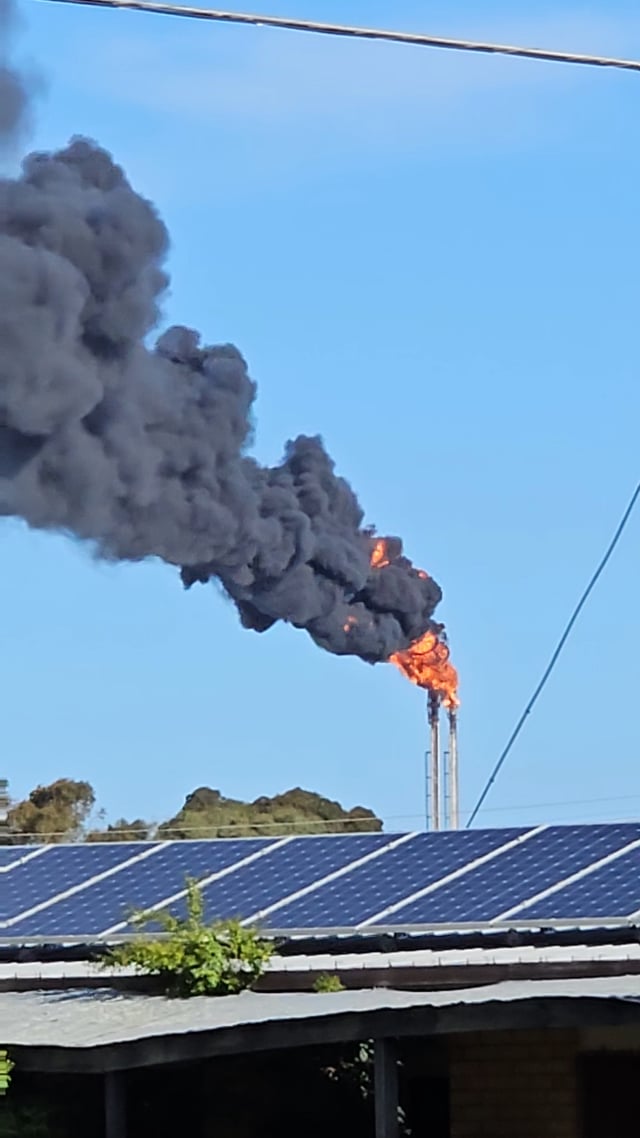
North Geelong Hazardous Chemical Fire: Hazmat Teams Battle Factory Blaze Amidst Health Warnings
North Geelong's industrial landscape was recently cast under a shadow of concern following a significant hazardous chemical fire that erupted within a factory premises. The incident, which saw Fire Rescue Victoria (FRV) crews, including specialist Hazmat teams, scramble to contain a volatile chemical reaction, underscores the inherent risks associated with industrial operations and the critical importance of rapid, expert emergency response in densely populated areas. This event, alongside other recent geelong industrial fire incidents, highlights an ongoing challenge for authorities and local residents alike, emphasizing the need for robust safety protocols and comprehensive community preparedness.
The Unfolding Crisis: Hazardous Chemicals and Immediate Response
The alarm was raised on a Monday morning, specifically March 2, 2026, at approximately 8:31 AM, when emergency services received calls reporting a fire in the vicinity of Roseneath Street in North Geelong. What initially seemed to be a routine incident, possibly a house fire, quickly escalated upon the arrival of FRV crews within six minutes. Firefighters discovered not a domestic blaze, but a complex chemical reaction unfolding within a substantial 40-meter by 20-meter factory building.
The immediate danger was palpable. Hazardous fumes were being released, and the exact nature and interaction of the two chemicals involved remained unknown at the outset. This critical lack of information triggered a major emergency response, placing FRV's highly trained Hazmat team at the forefront. Working in close collaboration with scientific advisors, their primary objective became to identify the specific substances creating the volatile reaction, a crucial step for developing an effective containment and mitigation strategy. All personnel on site were accounted for and safely evacuated from the premises, a testament to effective initial response protocols. However, the incident was not quickly brought under control, signifying the profound complexities involved in managing chemical fires where unpredictable reactions can pose severe risks.
Further emphasizing the serious nature of the factory blaze, WorkSafe Australia was promptly notified. Their involvement signifies an impending investigation into the circumstances leading to the chemical reaction, focusing on workplace safety, chemical storage, and handling procedures to prevent future occurrences.
Community Safety: Warnings, Evacuations, and Health Concerns
The inherent dangers of industrial fires, particularly those involving hazardous chemicals, extend far beyond the immediate vicinity of the blaze. As hazardous fumes billowed from the North Geelong factory, authorities issued a community advice warning for the surrounding areas, particularly for residents near Roseneath Street. The immediate advice was clear and critical: residents were urged to close all external doors and windows in their homes and to switch off air conditioning systems to prevent the ingress of potentially toxic fumes.
The impact of such incidents on public health cannot be overstated. Even for those outside the direct plume, smoke from industrial fires can pose significant health risks. Experience from other significant industrial blazes in the region, such as a separate, earlier Geelong North industrial fire involving exploding gas bottles and a car wreckage yard on Thompson Road and Armstrong Street, has shown that thick, toxic smoke can drift considerable distances. In that previous incident, VicEmergency warned that smoke had reached suburbs including North Geelong, Bell Park, and Bell Post Hill.
The health implications are diverse and potentially severe. Smoke from industrial fires, especially those involving unknown chemicals or burning materials like tyres and plastics, can aggravate existing heart and lung conditions. Residents may experience irritated eyes, persistent coughing, and wheezing. In more severe cases, or with prolonged exposure, respiratory distress can occur. Therefore, the warnings issued by emergency services are not merely precautionary but vital instructions for protecting public health. For a deeper understanding of the health risks associated with industrial smoke, residents can refer to resources like Toxic Smoke Alert: Geelong Residents Face Health Warnings From Industrial Fire.
In extreme circumstances, as seen in other major industrial incidents in Geelong, emergency warnings can escalate to advice for immediate evacuation. Such warnings, often stating, "Do not enter the area – it is extremely dangerous," underscore the grave risks when hazardous materials are involved, necessitating swift and decisive action from affected individuals.
The Complexities of Industrial Firefighting in Geelong
Battling a geelong industrial fire, particularly one involving hazardous chemicals, presents a unique set of challenges that demand specialized skills, equipment, and inter-agency coordination. Unlike conventional structure fires, chemical incidents require Hazmat teams equipped with advanced protective gear, monitoring devices, and expertise in chemical properties and reactions. The unknown nature of the chemicals involved in the North Geelong factory fire made the initial response even more precarious, necessitating a cautious and methodical approach to prevent further escalation or harm to responders.
The scale of emergency response required for such incidents is substantial. Multiple fire crews are typically deployed, supported by police for traffic management and scene security, and paramedics to attend to any injuries. In the case of the chemical fire, the ongoing presence of FRV and Hazmat teams for an extended period highlights the difficulty in rendering the scene safe. Standard safety measures, often implemented during large industrial fires, include extensive road closures to protect the public and allow emergency services unimpeded access. Past incidents, like the car wreckage yard fire, saw significant disruptions with roads such as Thompson Road (between Separation and Victor streets), Armstrong Street, and Pashley Avenue being closed.
Industrial sites themselves often contribute to the complexity of firefighting. Factories can contain a diverse array of materials, from machinery oils and solvents to various chemicals, all of which can fuel a blaze or produce toxic byproducts. Furthermore, the presence of compressed gas bottles, as observed in the earlier car wreckage yard fire where multiple explosions occurred, adds another layer of danger, posing risks of shrapnel and rapid fire spread. The varied and often unpredictable nature of materials found in industrial settings necessitates a flexible and highly trained firefighting strategy, relying heavily on reconnaissance and expert analysis.
Beyond the Blaze: Preventing Future Incidents and Community Preparedness
While the immediate focus remains on containing the current chemical fire in North Geelong and ensuring public safety, such incidents inevitably prompt a deeper examination of preventative measures and long-term strategies. The involvement of WorkSafe is a crucial step towards understanding the root causes of the factory blaze. Their investigation will likely delve into the factory's adherence to occupational health and safety regulations, including proper storage, handling, and disposal of hazardous chemicals, as well as the adequacy of their emergency response plans and employee training.
For industrial businesses operating in Geelong, these events serve as a stark reminder of the paramount importance of stringent safety protocols. Regular safety audits, clear chemical inventory management, robust containment systems, and comprehensive emergency preparedness plans are not merely compliance requirements but essential safeguards for employees, the environment, and the surrounding community. Investing in advanced safety technology and ongoing staff training can significantly reduce the likelihood and severity of industrial accidents.
Equally important is community preparedness. Residents living near industrial zones should familiarize themselves with emergency warning systems like VicEmergency. Understanding the types of warnings issued (e.g., Watch & Act, Emergency Warning) and knowing how to respond (e.g., evacuating, sheltering in place, closing windows) can be life-saving. Creating a household emergency plan, including identifying safe meeting points and having an emergency kit, can provide peace of mind and facilitate quick action during an unexpected event. Staying informed through official channels during a crisis is paramount, as misinformation can spread rapidly and dangerously.
Conclusion
The hazardous chemical fire in North Geelong stands as a potent reminder of the inherent risks within industrial environments and the critical role played by emergency services, particularly Hazmat teams, in mitigating their impact. From the immediate challenge of identifying unknown chemicals to safeguarding the wider community from toxic fumes, the multi-faceted response showcases the dedication and expertise required. These incidents compel a renewed focus on robust industrial safety standards, continuous monitoring by authorities like WorkSafe, and vigilant community preparedness. By learning from each challenge and reinforcing preventative measures, Geelong can strive to protect its residents, its workforce, and its environment from the potentially devastating consequences of industrial blazes.